








Book
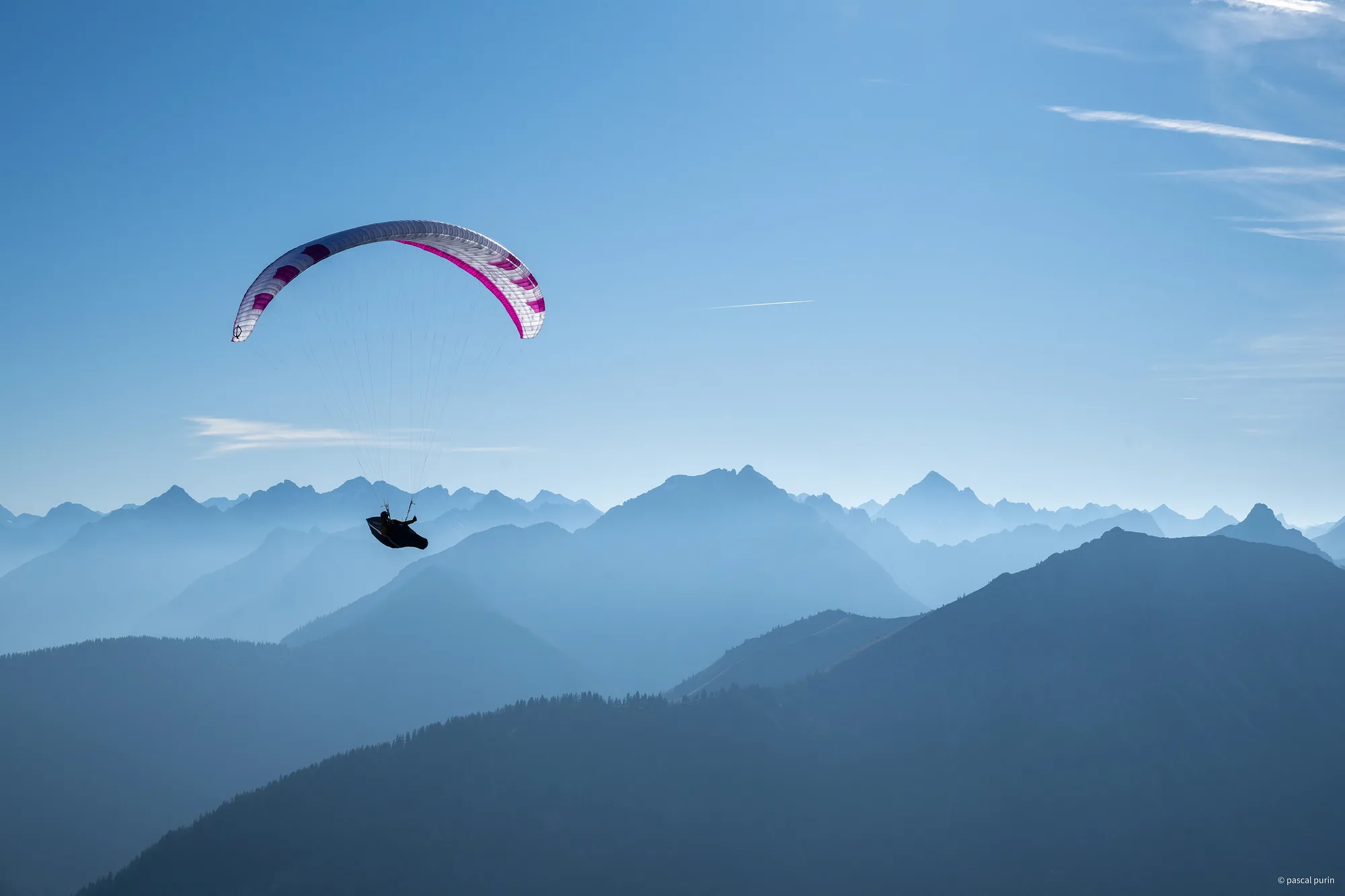
PHI Maestro 3 light
PHI Maestro 3 light
PHI Maestro 3 light
PHI Maestro 3 light
PHI Maestro 3 light
PHI Maestro 3 light
PHI Maestro 3 light
PHI Maestro 3 light
PHI Maestro 3 light
PHI Maestro 3 light
PHI Maestro 3 light
PHI Maestro 3 light
PHI Maestro 3 light
PHI Maestro 3 light
PHI Maestro 3 light
PHI Maestro 3 light
PHI Maestro 3 light
PHI Maestro 3 light
PHI Maestro 3 light
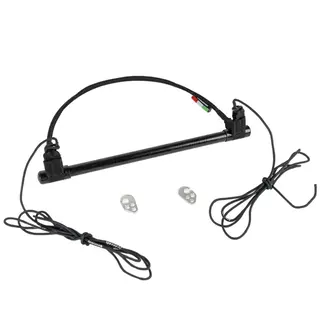
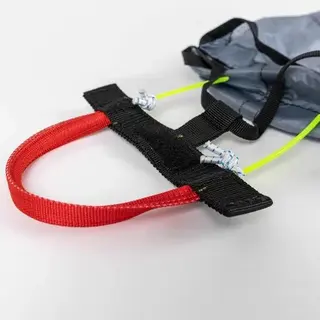
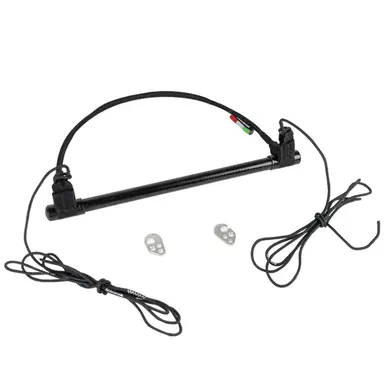
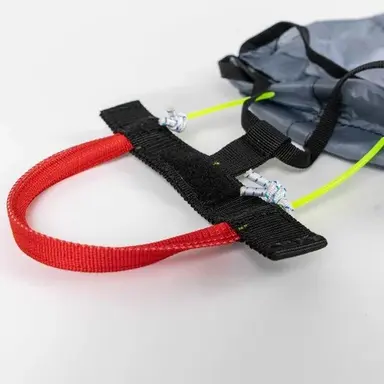
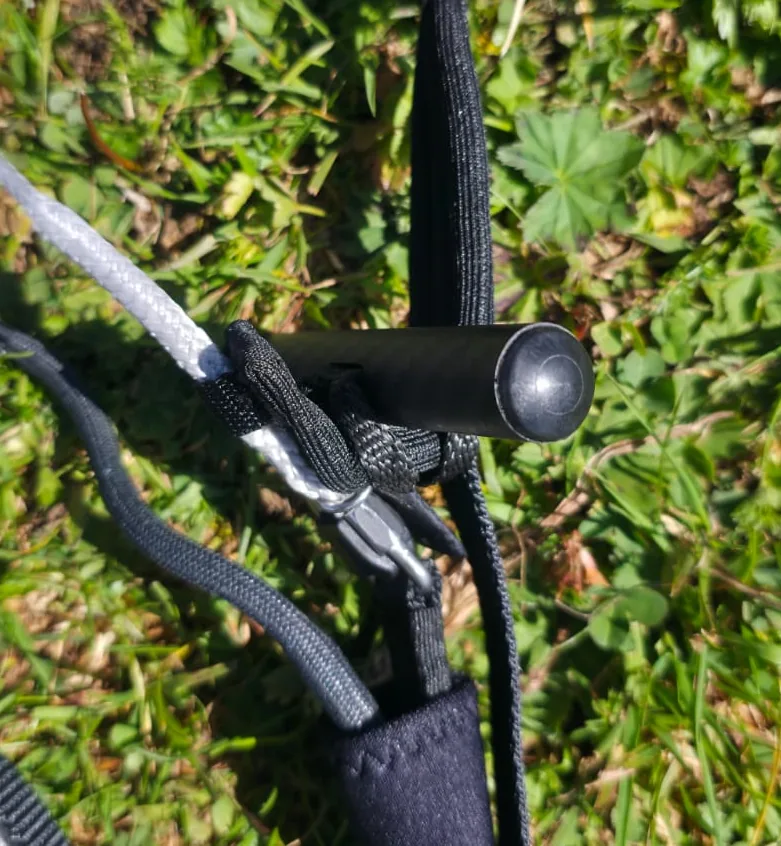
Detail of the R14 riser of the PHI Maestro 3 light
PHI Maestro 3 light

1 / 21

PHI / Wings

PHI Maestro 3 light

Ref. TFRD, EN/LTF B, 8 sizes

Class
High B
Cells
76
Flat aspect ratio
5.65
Weight from
3 kg (17)
Sizes
17–25
Released
October 2025
Made to order Is it your size?
Size
Colour

€4,000 Reference price

Made to order

You pay nothing now. We confirm the final price, delivery time and how to pay by email or WhatsApp.

Unsure about the size or the delivery time? Write to us

VAT included

PHI's product page(opens in a new tab)

Is it your size?

If this is your first wing or you are looking at an EN A or a low B, always work from your total take-off weight, not your weight on the bathroom scale.

Take-off weight
Enter your body weight to see your take-off weight
The weight range of each size is the total take-off weight: you plus everything you wear and carry, wing and harness included.
What counts as gear
  • Your body weightwhat the scales say
  • Wingabout 5 kg
  • Harnessabout 5 kg
  • Reserve parachuteabout 2 kg
  • Clothing and helmetabout 4 kg
  • Water and instrumentsabout 2 kg

With these values your gear adds up to about 18 kg, the figure we use by default. Weigh yours and adjust it if it differs.

If you are choosing your first wing, or looking at an EN A or a low B, keep this in mind: the figure to compare is your total take-off weight, not the one on the bathroom scales. If you only count your body weight, it's easy to end up with a size that is too small: your gear adds weight too, and you have to factor it in.

The certification is only valid within each size's range. With less weight the wing flies with less internal pressure; with more, it is more heavily loaded and faster. If you are between two sizes, ask us before you decide.

Ask us on WhatsApp

Enter your body weight to see which size suits you.

  • 55–75 kg
  • 60–85 kg
  • 65–90 kg
  • 75–100 kg
  • 83–108 kg
  • 90–115 kg
  • 100–125 kg
  • 105–135 kg
PHI Maestro 3 light

Who it is for

Pilot level

From progressing to cross-country

According to PHI

  • Travel
  • Paramotor

How it flies

Flight characteristics

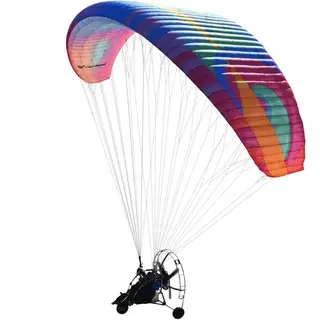
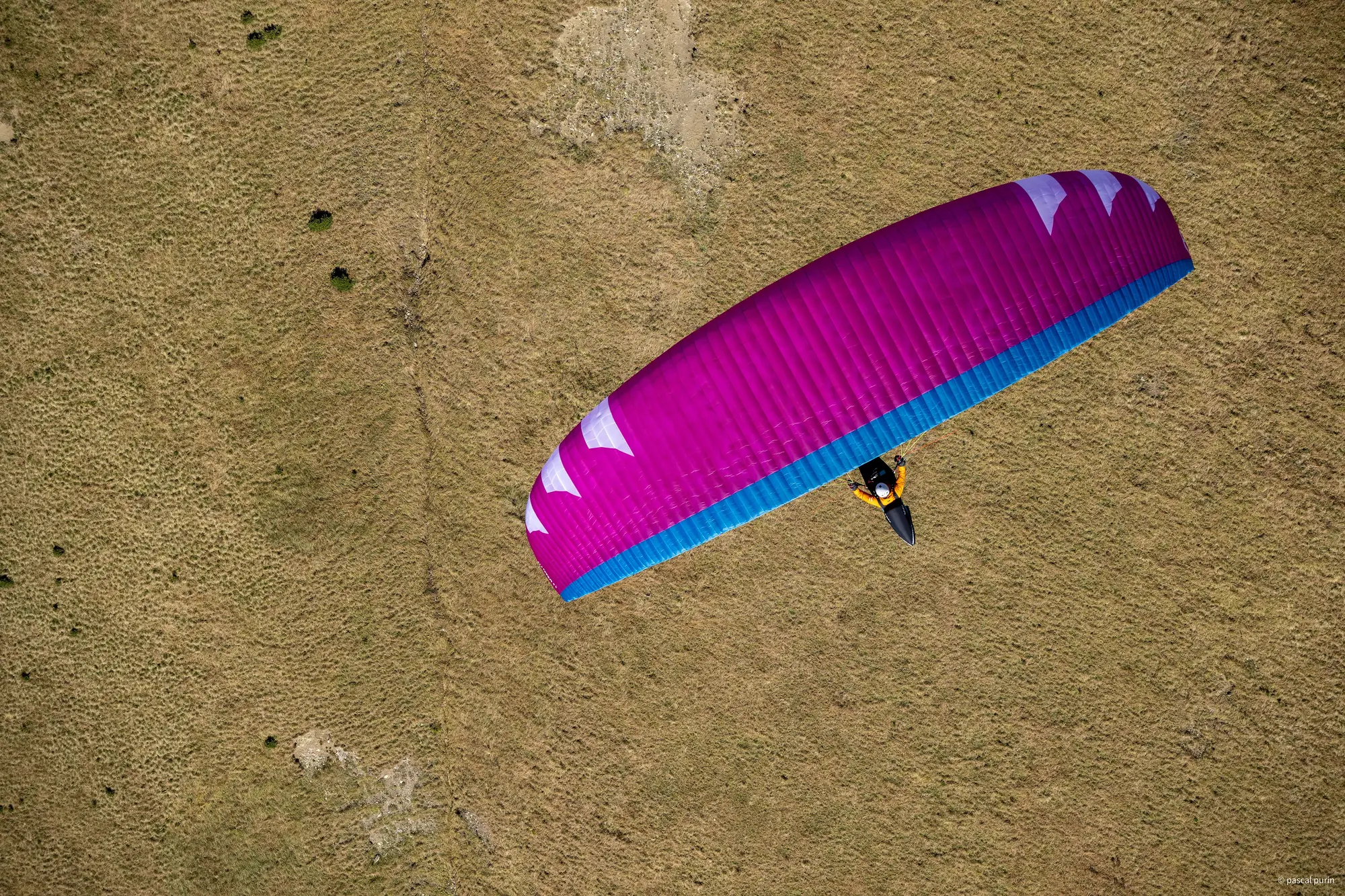
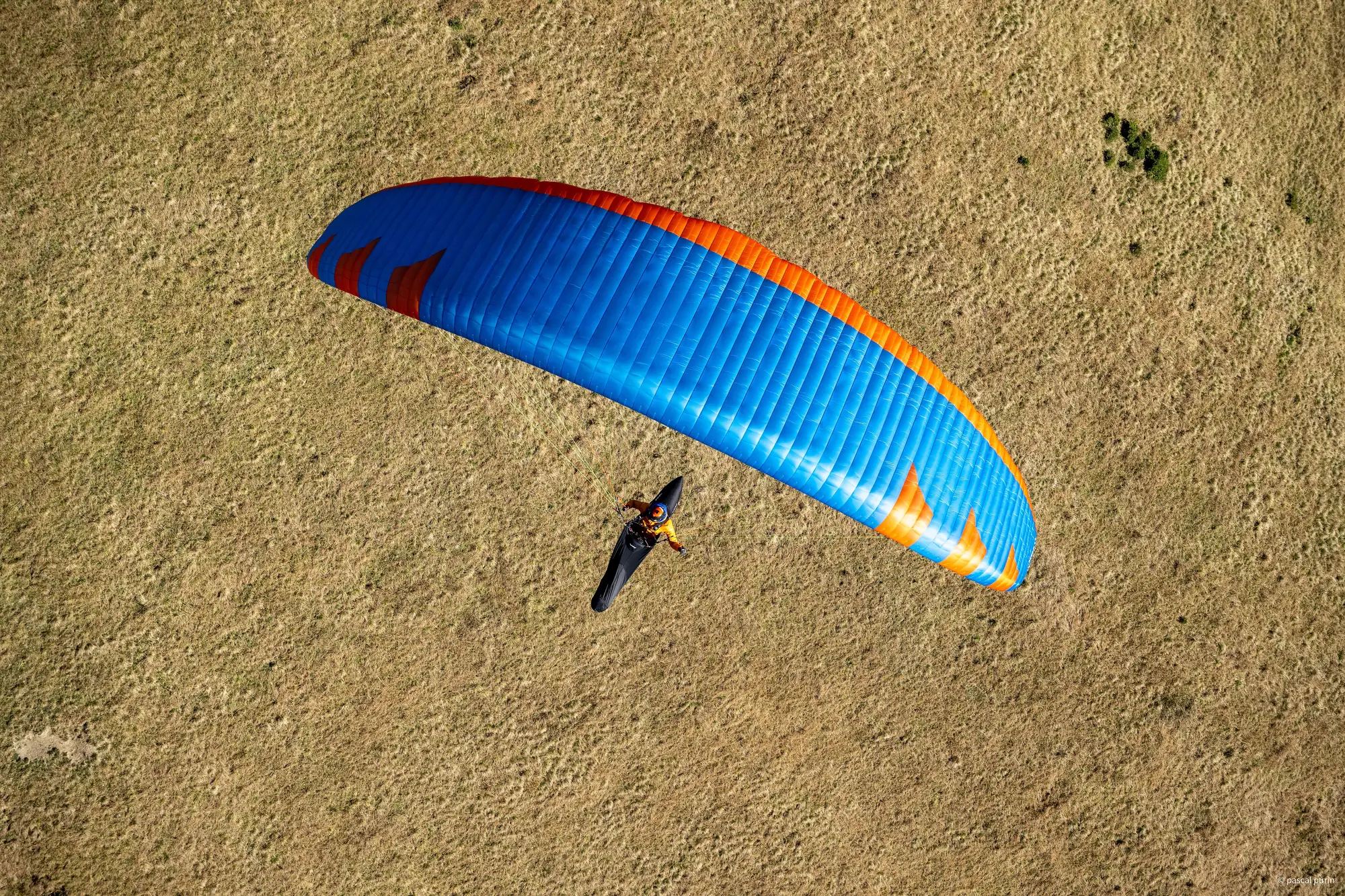
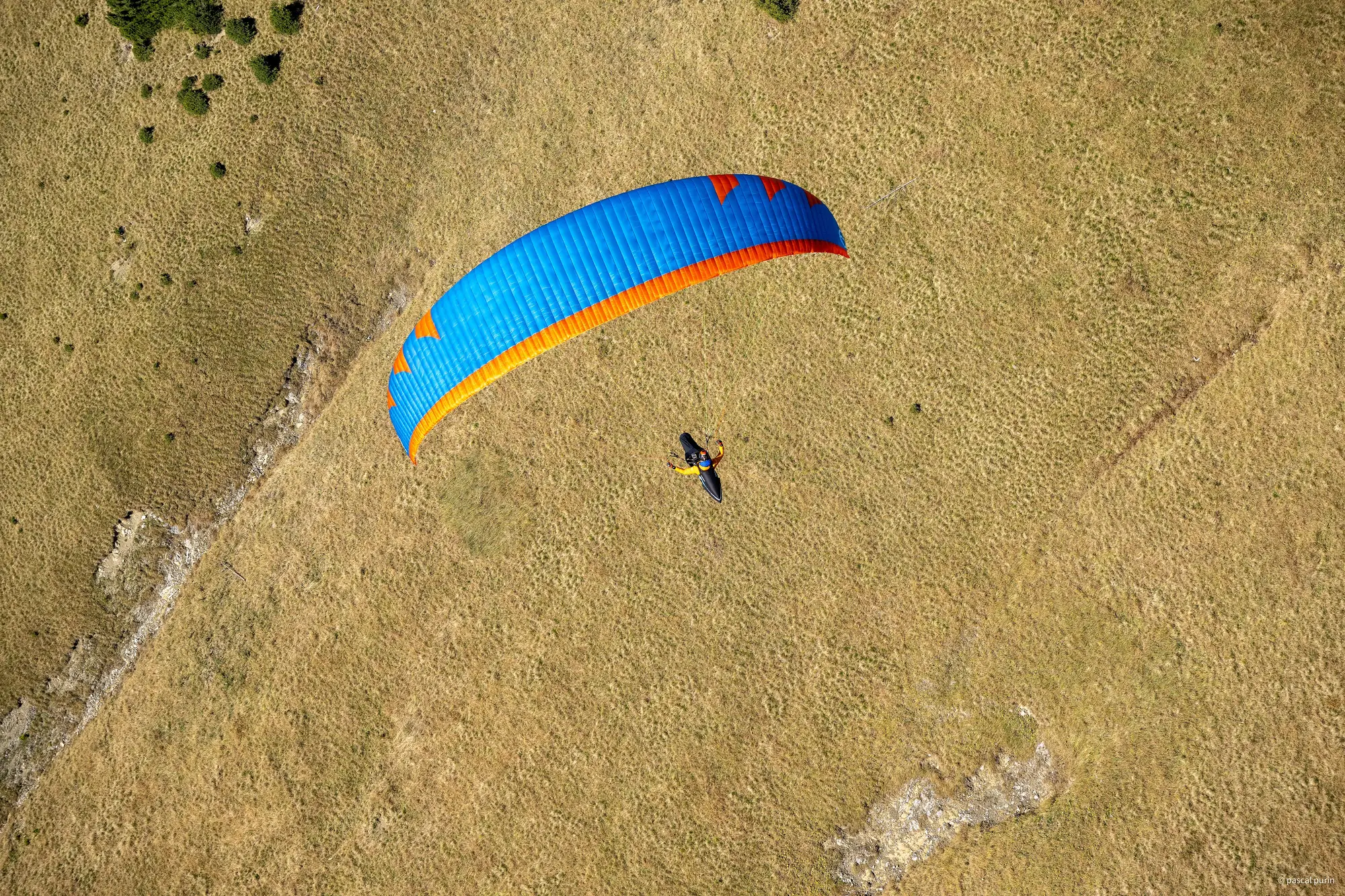
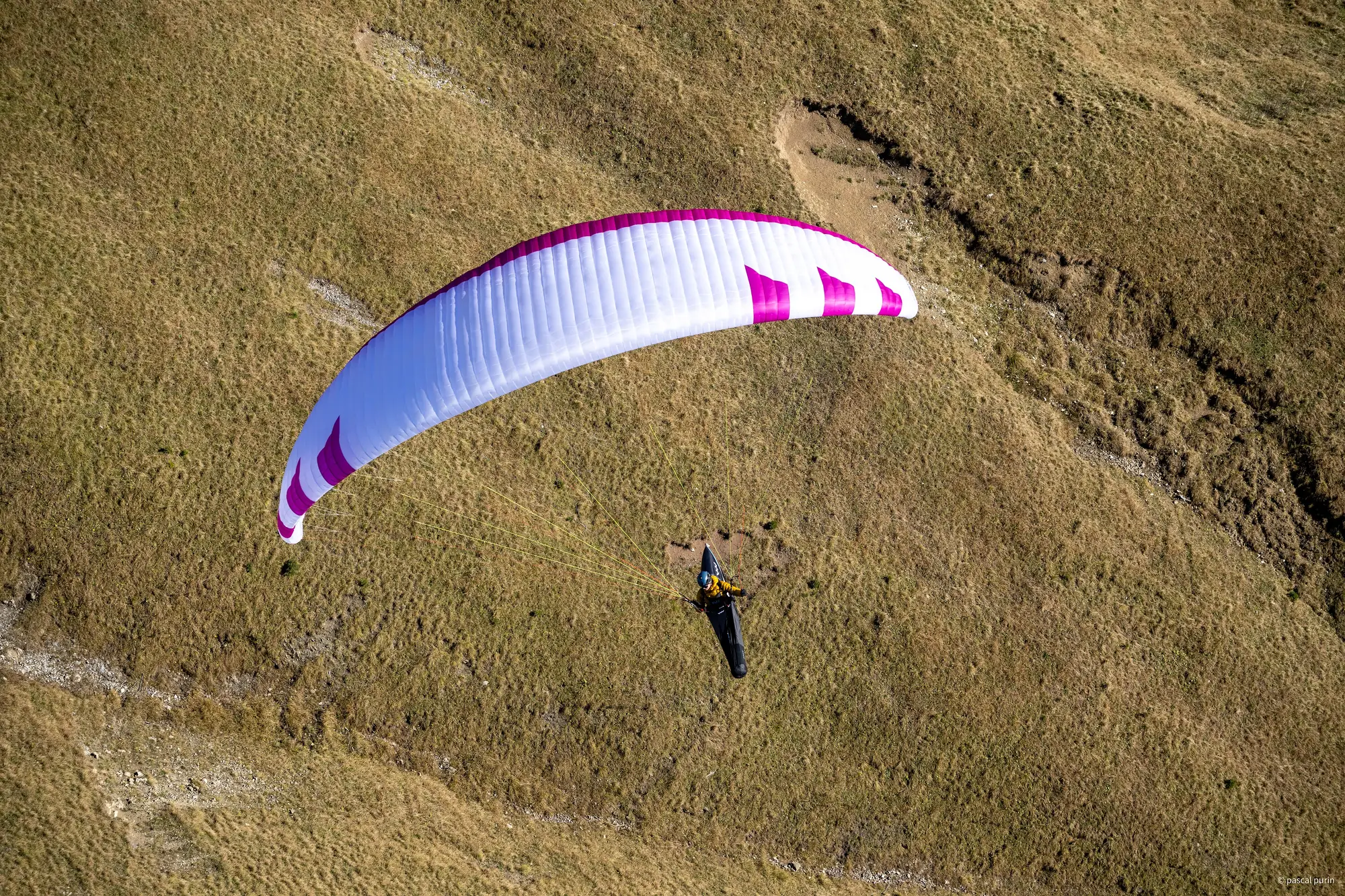
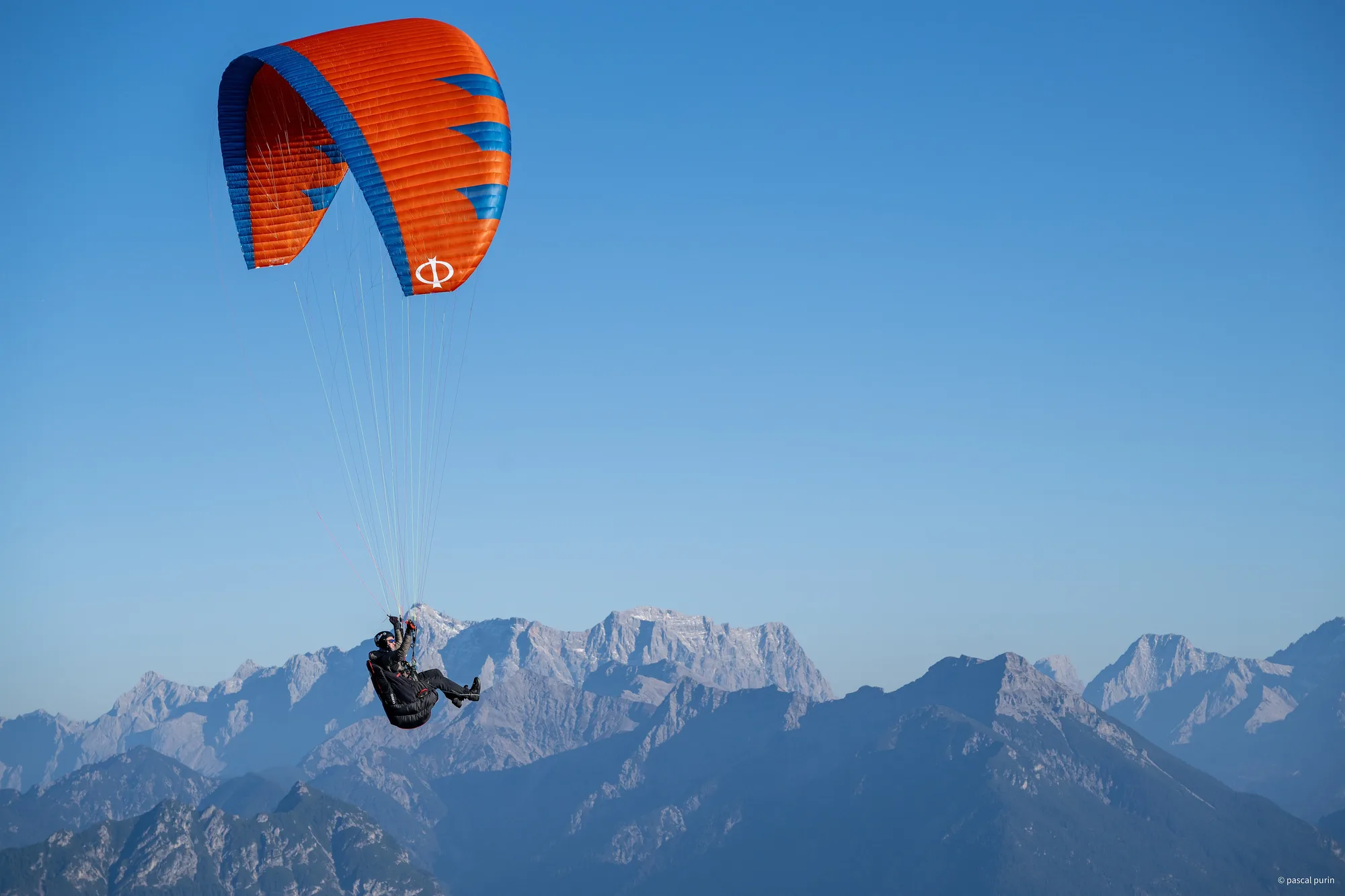
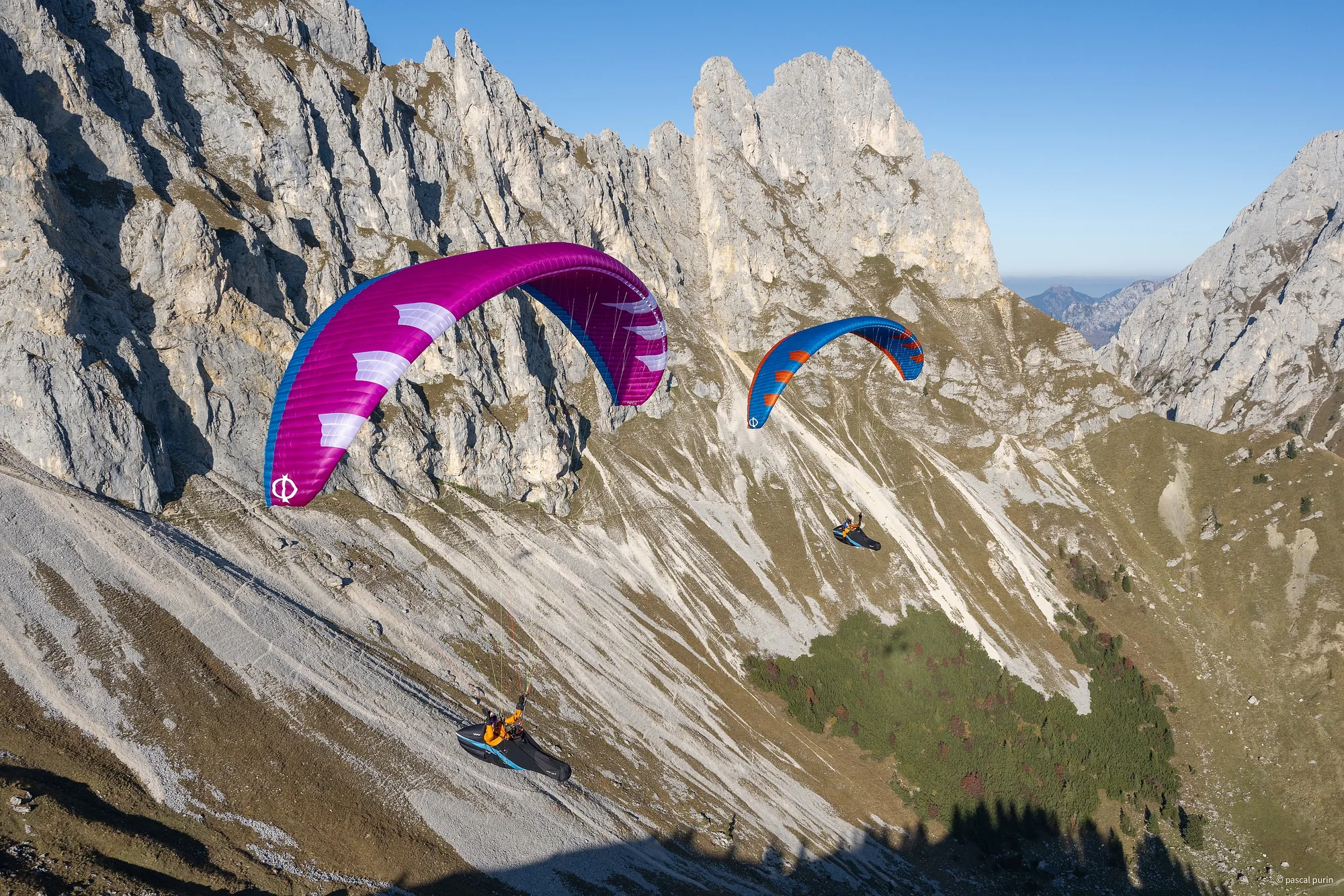
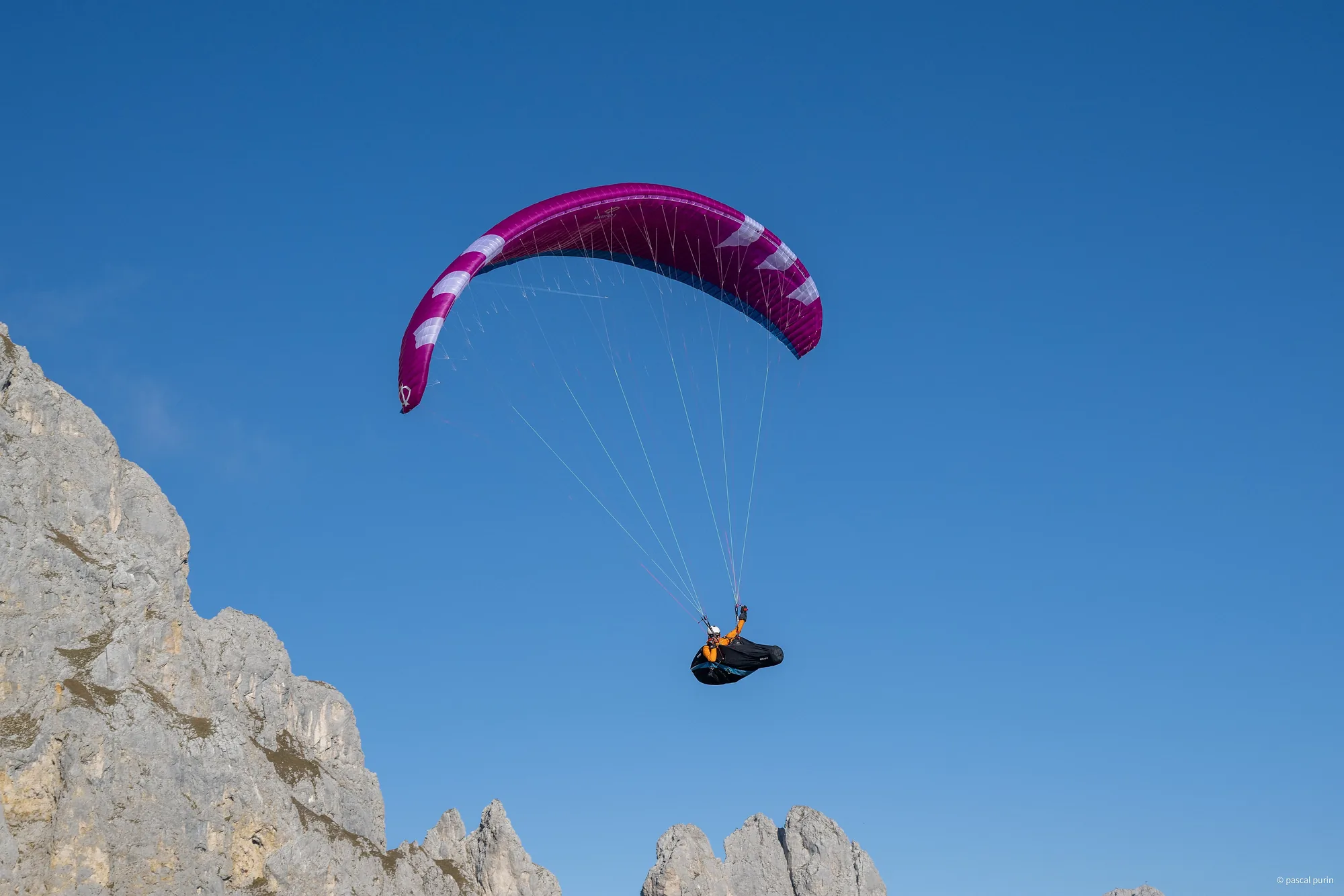
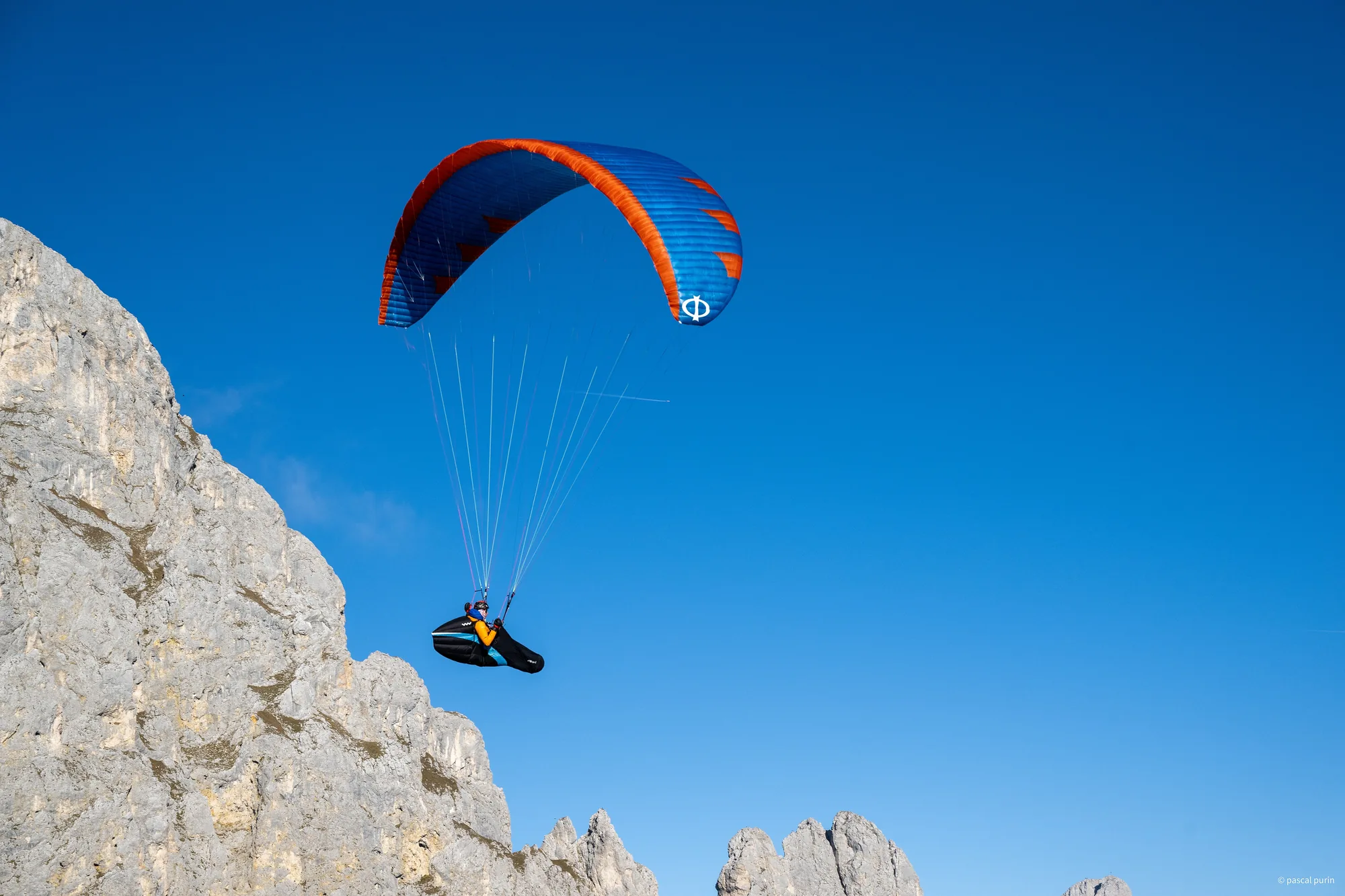
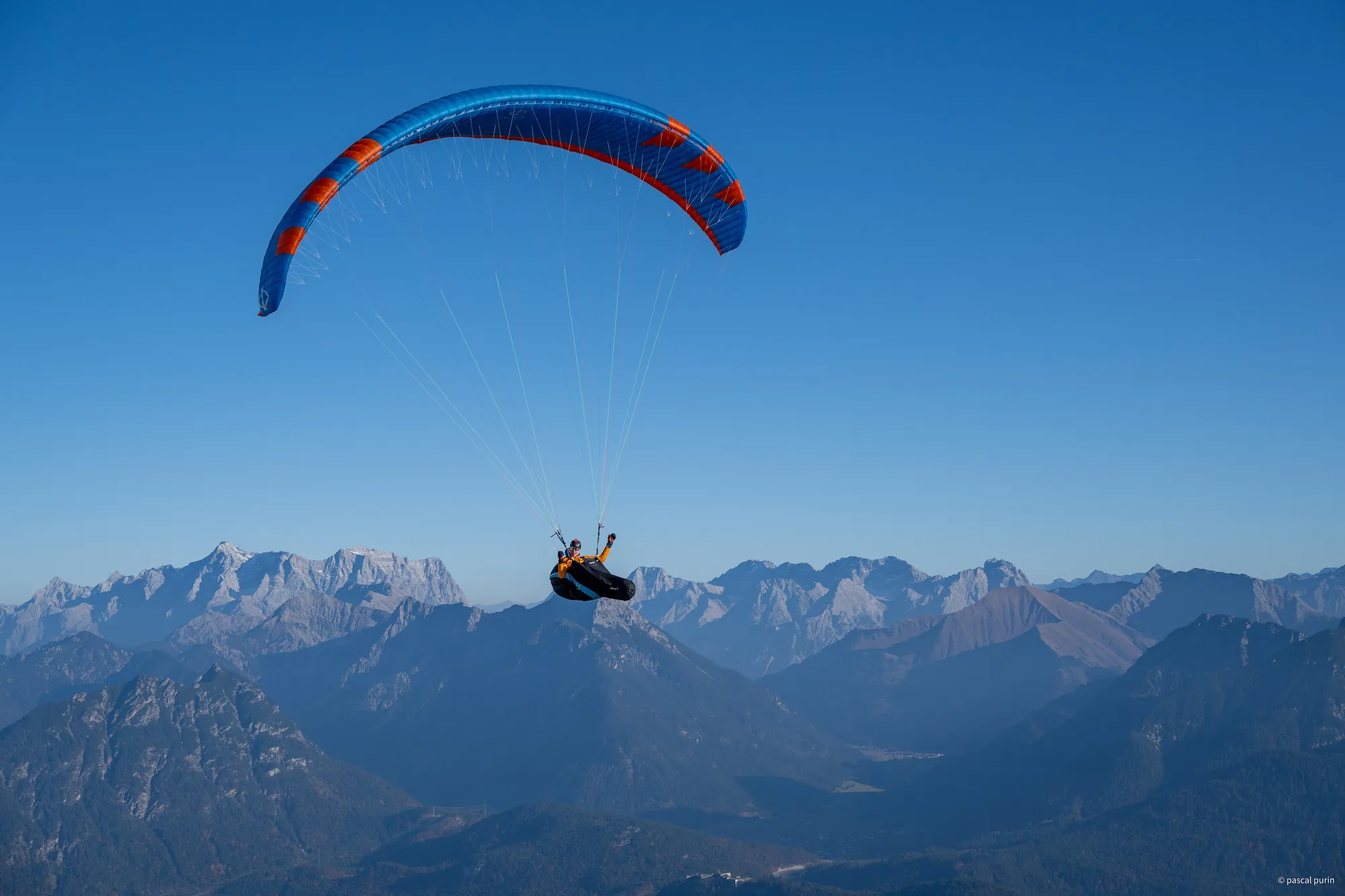
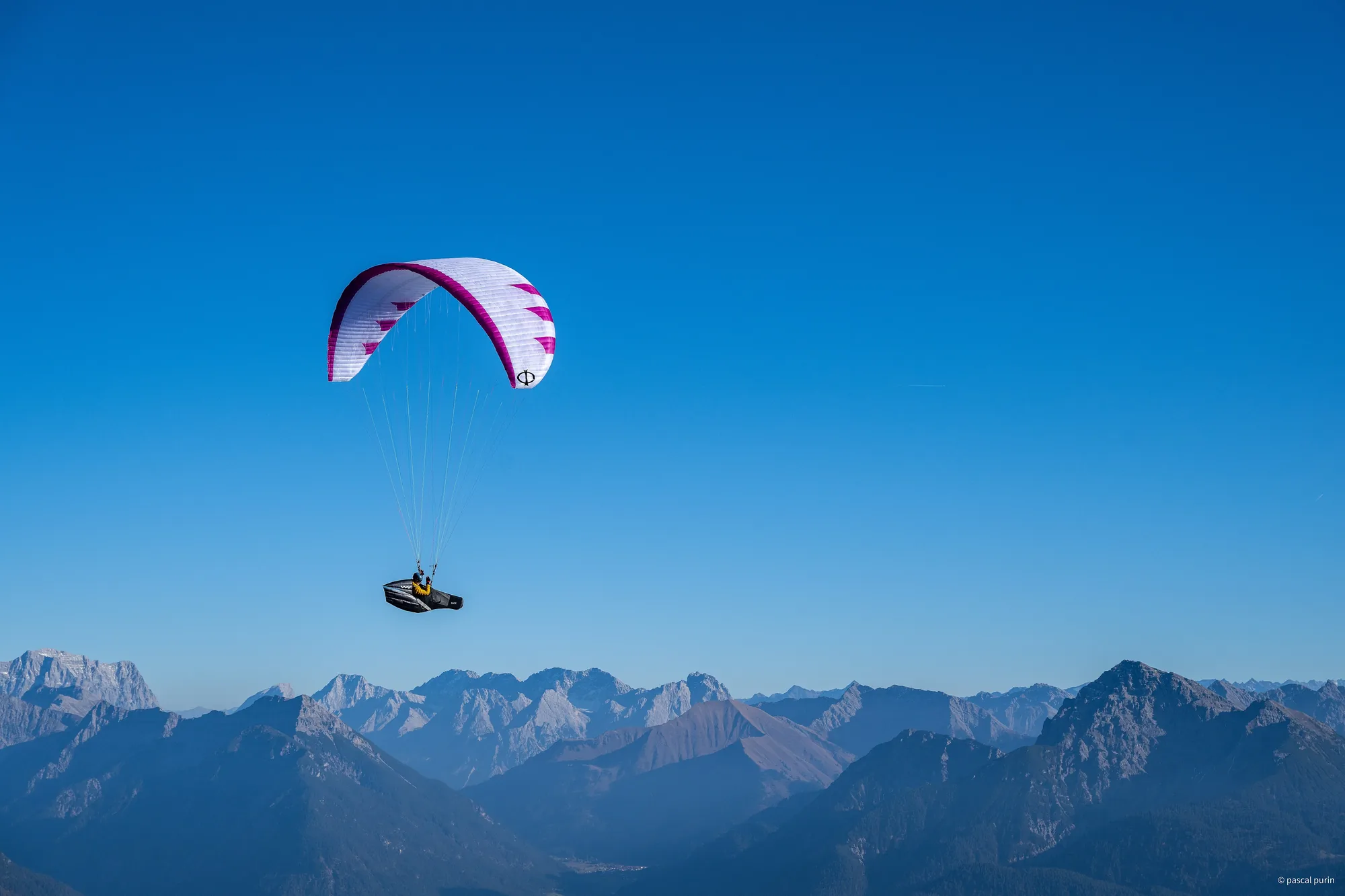
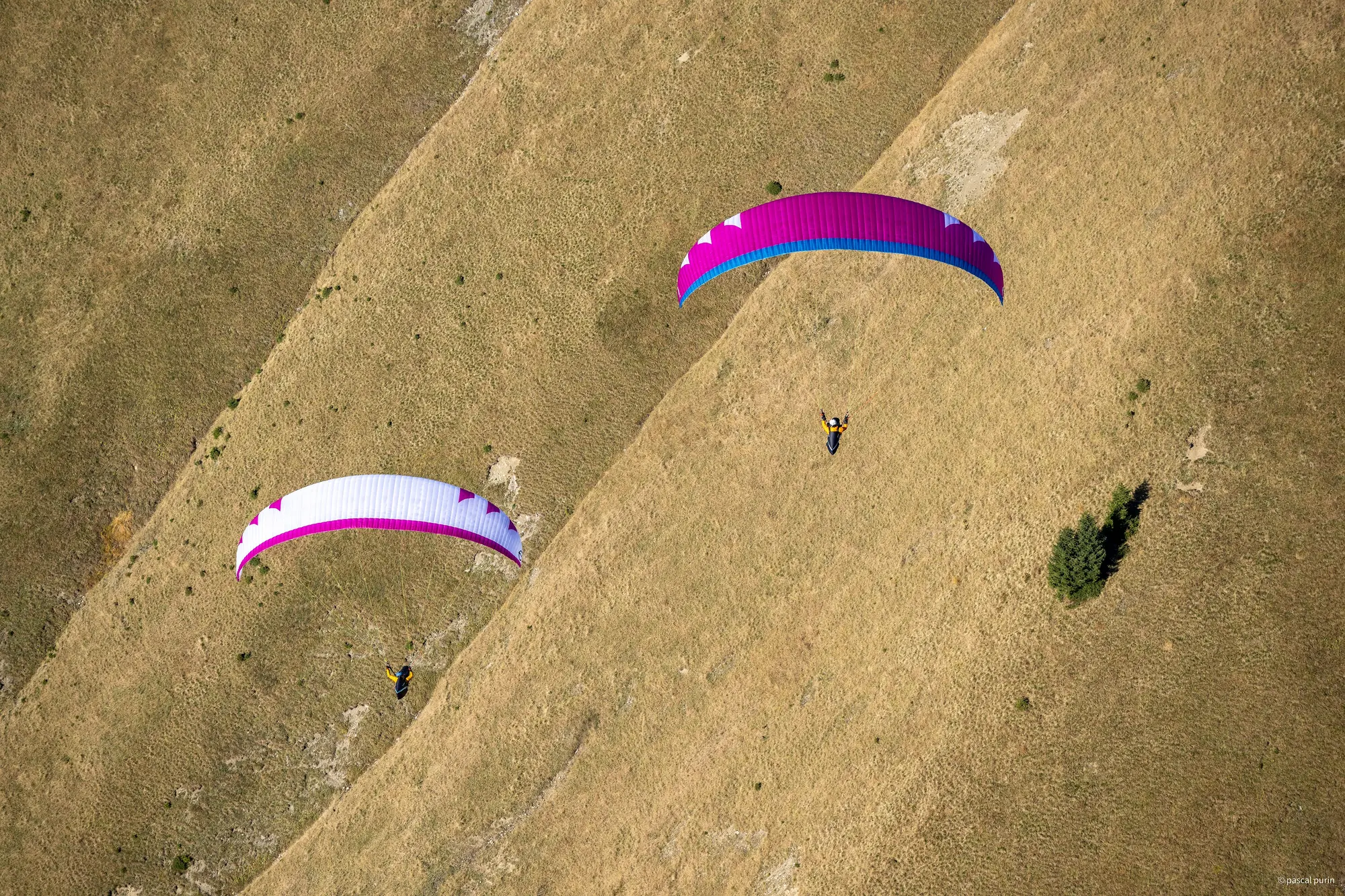
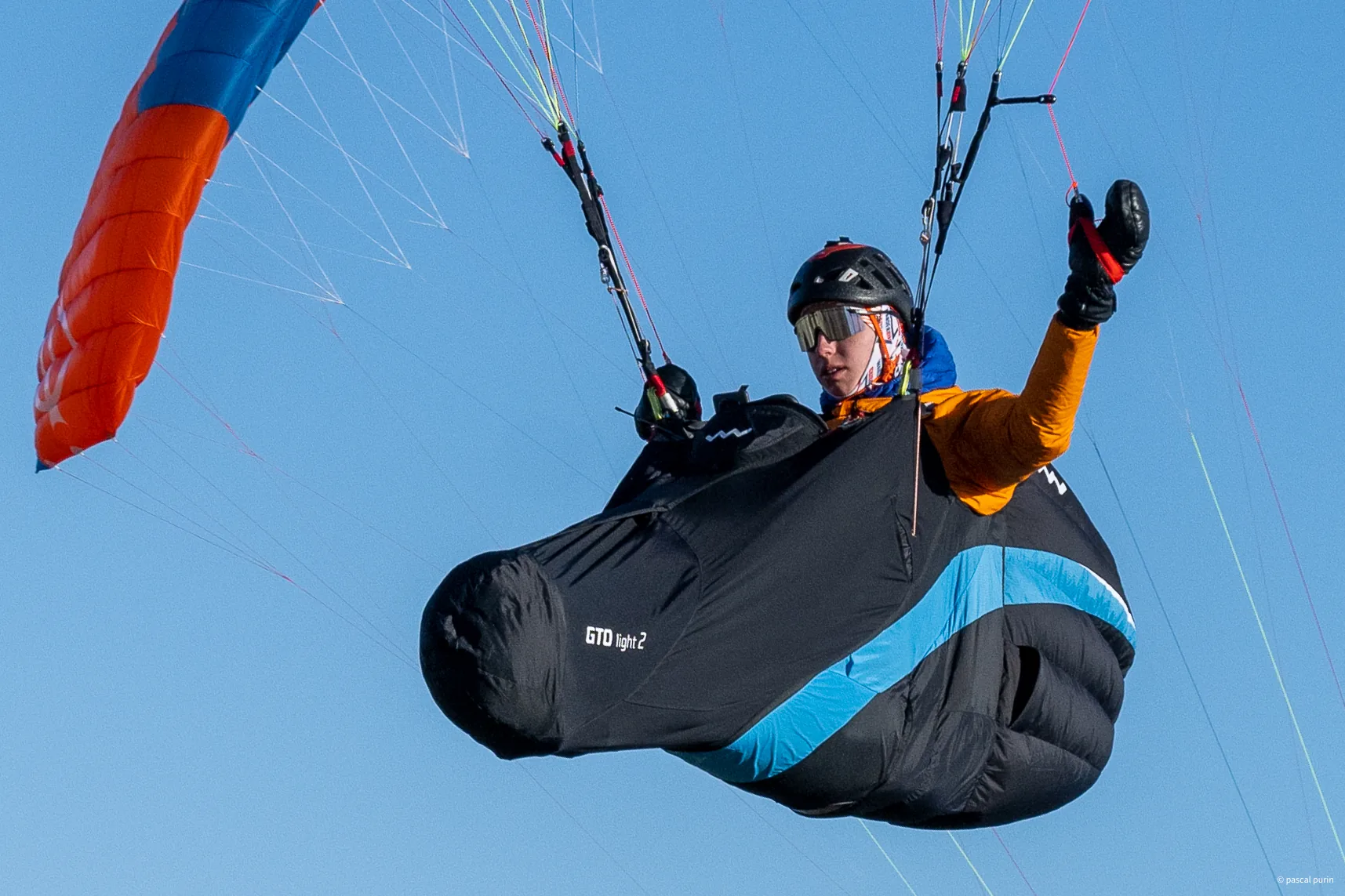
According to PHI, compared with the Maestro 2 light it has a touch more aspect ratio, a different profile, slightly different rigging, different risers, different canopy tension and mini ribs. PHI says it flies better, is more stable and has smoother handling, and that pilots flying it report it as more stable, easier, better climbing, better handling, higher performing and faster at top speed.

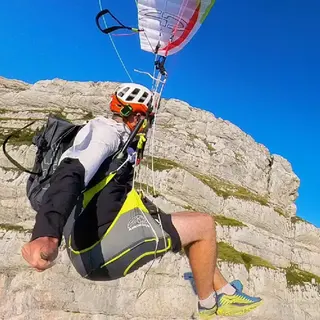
To reach a wider target group it has normal length risers and more covered lines: all of them down to the carabiners except the stabilo line. The standard riser is the R14, 540 mm long, with floating B and C handle steering. You can mount a hard carbon handle or a soft neoprene one, and the riser is chosen when ordering at no extra cost.

Text by PHI, translated by the school.

PHI's product page(opens in a new tab)

Technology

  • Technical data

    The Maestro 3 light is the third generation of PHI's superlight high B wing. It has 76 cells and comes in eight sizes: 17, 18, 19, 21, 22, 23, 24 and 25. Flat area runs from 19.51 to 29.53 m² and the flat aspect ratio is 5.65 in every size. Wing weight goes from 3 kg in the 17 to 4.15 kg in the 25, measured with the lightest riser, the RZ3. The R14 is heavier.

    Certification is EN/LTF B in every size, with certified weight ranges from 55-75 kg in the 17 to 105-135 kg in the 25. PHI lists the DGAC certification as pending (i.A.) in all sizes. The two largest sizes exist only in the light version, to limit volume and weight. Speed travel is 180 mm in every size, including the 17 and 18, which had 150 mm on the Maestro 2 light.

    The cloth is Porcher Skytex 27 and Dokdo D10, which PHI describes as the most advanced superlight cloth on the market, with a very tight weave. The rods are nitinol and the nose has neoprene padding that spreads the rod pressure and makes it more robust against abrasion.

Text by PHI, translated by the school.

PHI's product page(opens in a new tab)

PHI Maestro 3 light

Technical data

Same across all sizes

Certification
EN/LTF B
Class
High B
Cells
76
Cloth
Porcher Skytex 27 / Dokdo D10
Rods
Nitinol, with neoprene padding on the leading edge
Covered lines
All lines down to the carabiners except the stabilo line
Risers
R14 (3+1) standard, RZ3 (3) lightest
Riser length
540 mm
Speed travel
180 mm
Cells
76
DGAC certification
i.A. (all sizes)
Glider weight
Measured with the lightest riser, RZ3; the R14 riser is heavier
Size1718192122232425
Take-off weightkg55–7560–8565–9075–10083–10890–115100–125105–135
Flat aream²19.5120.5721.7524.1225.2926.427.9429.53
Projected aream²16.817.7218.6220.6521.6622.623.9225.29
Wing weightkg33.153.353.63.73.8544.15

What is included

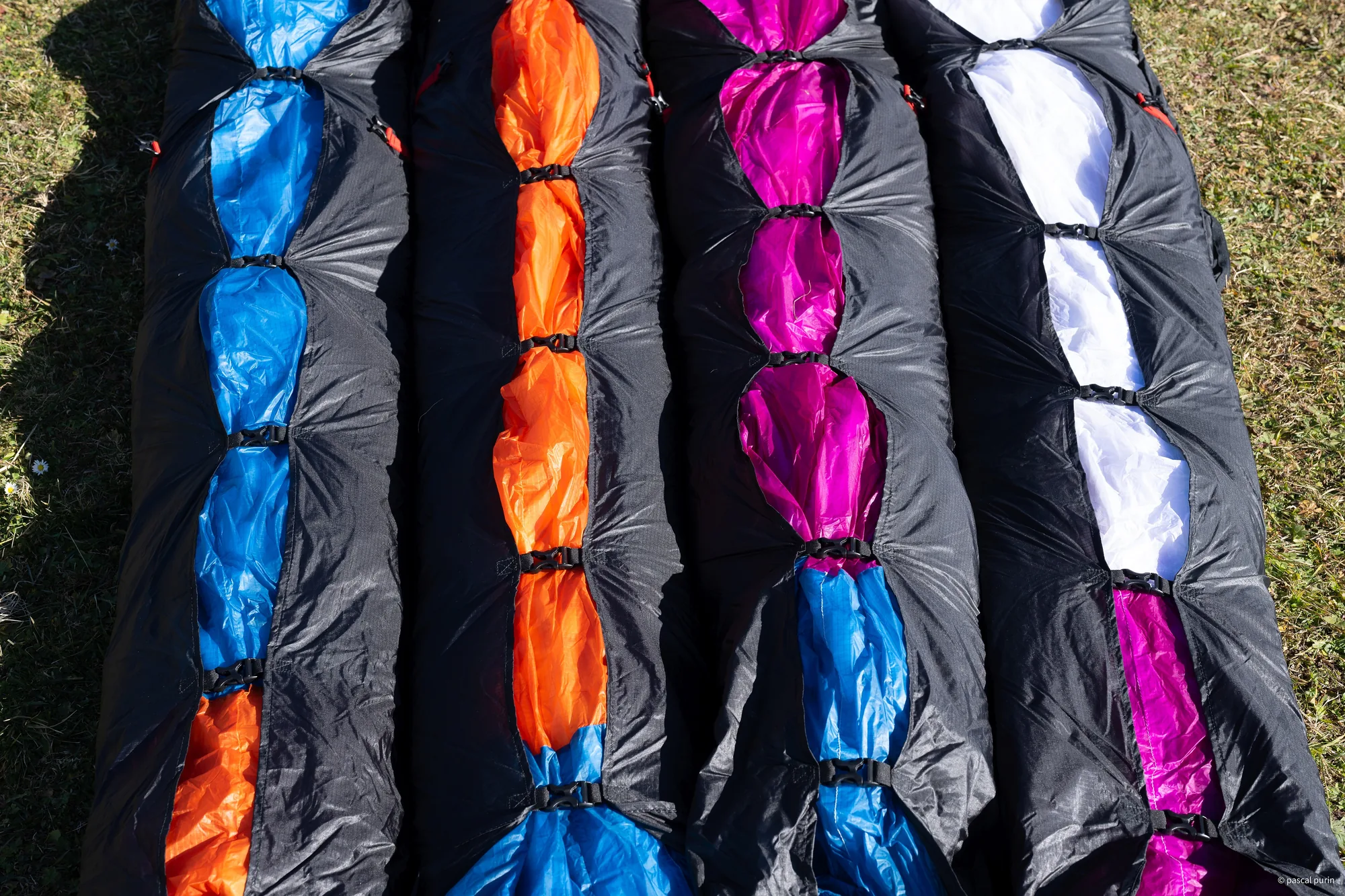
Wing, compression bag and repair material. R14 riser with a hard carbon handle or a soft neoprene handle, your choice. PHI recommends the Accel fast packing bag, sold separately.

Manuals and documents

PHI's product page(opens in a new tab)

Manufacturer and safety information
Manufacturer
Papesh GmbH (PHI)
Address
Grillparzerstrasse 10, 6067 Absam, Austria
Contact
info@phi-air.com, +43 676 3805203

Add to basket

Choose which cookies you accept. You can change it at any time from “Cookie settings” at the bottom of the page.

Visit statistics (Umami) are anonymous and use no cookies, so they do not depend on this choice.

That flight doesn't fit this booking

See the booking